ORGANIC FOODS
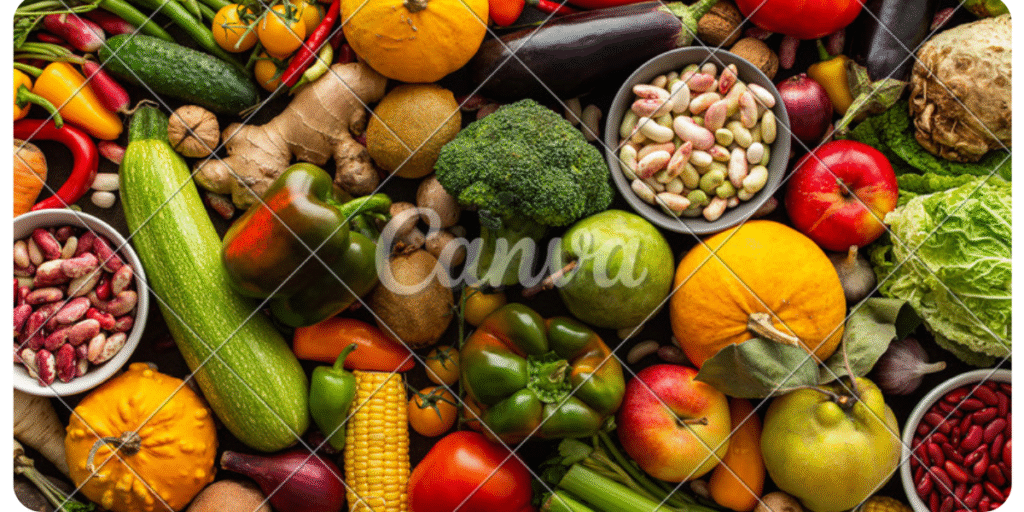
Organic food is grown naturally, without using harmful chemicals. Farmers who produce organic food avoid synthetic pesticides, chemical fertilizers, and genetically modified seeds.
What Makes Food Organic?
No chemical fertilizers
No synthetic pesticides
No genetically modified organisms (GMOs)
Animals are raised without antibiotics or growth hormones
Farming methods support environmental health
Organic vegetables are vegetables grown without synthetic pesticides, fertilizers, or genetically modified organisms (GMOs). These vegetables are cultivated using methods that focus on soil health and environmental sustainability, such as using natural fertilizers like compost and manure. They are also free from artificial additives, preservatives, colors, and irradiation.
- Grown without synthetic chemicals: Organic farming prohibits the use of synthetic pesticides, herbicides, and fertilizers. Natural pesticides and fertilizers derived from natural sources may be used instead. No GMOs: The vegetables are not genetically modified.Free from artificial additives: They do not contain artificial colors, flavors, or preservatives.No sewage sludge or radiation: The production process prohibits the use of sewage sludge and irradiation.Focus on soil health: Organic farming practices are designed to build and maintain healthy soil, which helps with natural pest resistance.
- May have different nutritional profiles: While studies vary, some evidence suggests organic foods may have higher levels of certain nutrients like antioxidants, vitamin C, calcium, iron, chromium, and magnesium. However, the overall health benefit of getting enough fruits and vegetables is more important than choosing organic.
- Grown without synthetic chemicals: Organic farming prohibits the use of synthetic pesticides, herbicides, and fertilizers. Natural pesticides and fertilizers derived from natural sources may be used instead.